A federal judge has temporarily blocked a Trump administration policy that targeted thousands of lawful refugees in Minnesota awaiting green cards. The ruling halts arrests tied to expanded vetting efforts, raising new questions about federal authority, refugee protections, and the limits of immigration enforcement during pending status reviews.
Judge Issues Temporary Halt on Refugee Arrests
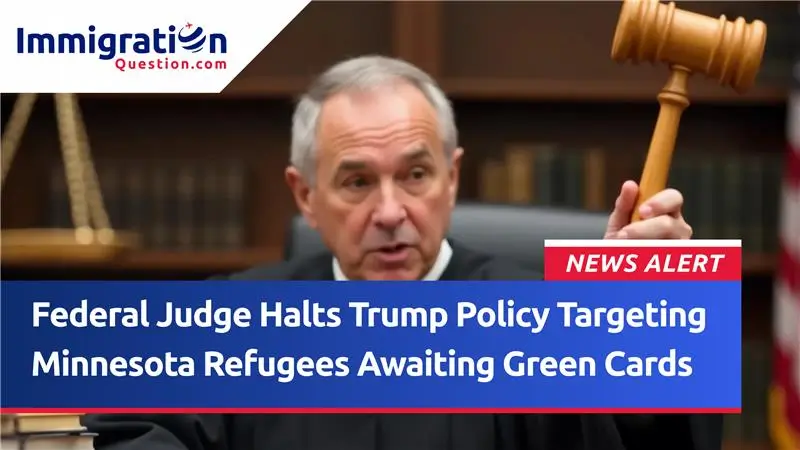
A U.S. District Court judge in Minneapolis has issued a temporary restraining order preventing federal agents from arresting lawful refugees in Minnesota who are awaiting permanent residency and have not been accused of immigration violations. The decision pauses a recently announced enforcement policy while the court reviews legal challenges brought by civil rights organizations.
The judge found that federal actions under the policy likely conflicted with multiple federal laws, especially in cases where refugees were detained without warrants or cause.
Policy Targeted Refugees Under New Vetting Program
The blocked policy was part of a Department of Homeland Security initiative to reexamine thousands of refugee cases through expanded background checks.
Under the program, federal immigration agents were deployed to Minneapolis and Saint Paul beginning in December, increasing enforcement activity across the region.
While the administration claimed the policy was intended to prevent fraud, civil rights groups claimed the policy caused refugees with lawful status to experience unnecessary fear, detention, and disruption while waiting for green card approvals.
Court Draws Line Between Review and Arrest
In its decision, the court made it clear that the DHS still has the power to review refugee applications and to enforce immigration laws in cases of violation.
However, the judge was quick to point out that refugees who had already undergone extensive vetting and remained in lawful status should not be arrested or detained for further review.
Broader Implications for Immigration Enforcement
The ruling is considered a significant blow to the administration’s Minnesota-based enforcement strategy and is part of a growing list of court interventions challenging aggressive immigration enforcement efforts.
Advocacy groups claim that the ruling is an example of the balance between federal enforcement power and legal protections for refugees who entered the country lawfully.
Additional hearings will be held as the court considers whether to extend or modify the temporary ruling.
What’s Next?
The court will continue to hear additional arguments in the coming days as civil rights groups seek to enjoin the policy permanently.
Visit ImmigrationQuestion.com for more updates on refugee protections, court rulings, and U.S. immigration policy, visit ImmigrationQuestion.com.
Get answers to your immigration questions from licensed immigration attorneys. For attorneys, use our innovative 3-in-1 case management software to improve your practice. Download our free app on Google Play Store and the Apple App Store.
Resources