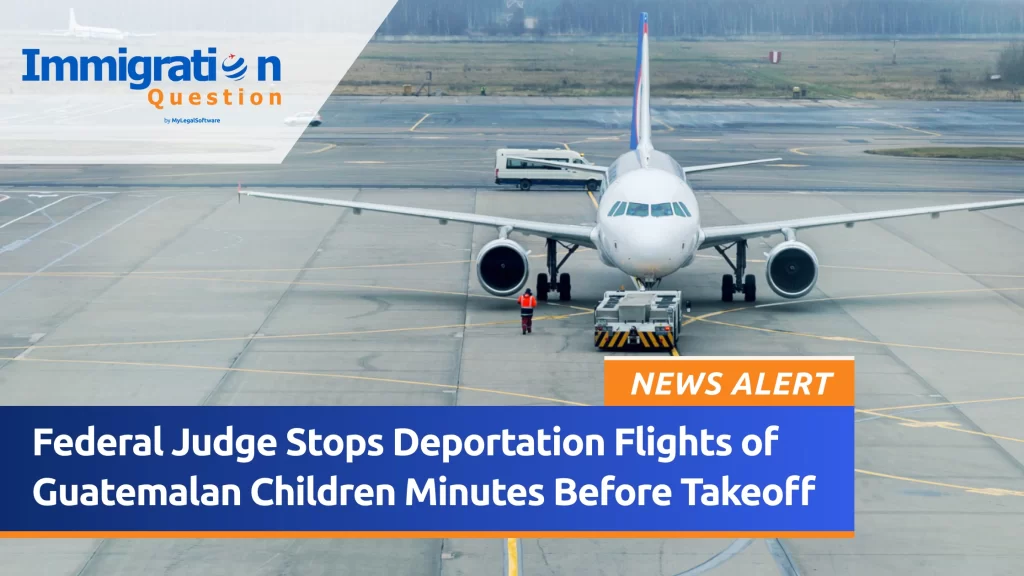
A late-night federal ruling blocked the Trump administration from deporting Guatemalan children already boarded on planes in Texas. The decision, which sent at least 76 children back to shelters, spotlights increasing legal fights over migrant rights. Advocates are warning of serious dangers if minors are taken away without proper legal procedures.
Court Order Halts Flights in Real Time
In an extraordinary overnight ruling, U.S. District Judge Sparkle L. Sooknanan stopped deportation flights minutes before takeoff, preventing dozens of Guatemalan children from being expelled. The intervention followed urgent arguments by lawyers who said the government bypassed legal protections for minors, exposing them to potential harm if returned.
Shortly after the ruling, buses carrying children were diverted from Harlingen’s Valley International Airport. At least 76 children, initially prepared for immediate removal, were taken back to Department of Health and Human Services shelters. Justice Department filings confirmed that the flights had been moments away from departing, underscoring how close the removals came to being carried out.
Growing Legal and Humanitarian Concerns
The case centers on the protections Congress established for unaccompanied minors. Attorneys argued that Homeland Security attempted to fast-track removals without hearings, a move they said undermined due process and placed children in danger.
Court filings revealed harrowing accounts from the minors themselves. One 10-year-old reported having no surviving relatives in Guatemala. A 16-year-old described receiving death threats from gangs, while another child required dialysis for chronic kidney disease. Advocates said these testimonies showed the risks of rushed deportations in violation of U.S. law and international standards.
Human rights groups also raised concerns about the secrecy surrounding the removals. According to legal observers, interviews and hearings were quietly canceled, raising fears that children were being processed for deportation without a meaningful opportunity to present their claims.
Government’s Justification and Guatemala’s Position
Administration officials defended the plan, saying it was coordinated with Guatemala’s government to help reunite families. White House Deputy Chief of Staff Stephen Miller accused the courts of interfering with parental reunification, framing the flights as both lawful and humanitarian.
However, attorneys for the children disputed those claims, saying many had no safe relatives in Guatemala. Others alleged that parents had been pressured into accepting returns. Guatemala later issued a statement confirming it was prepared to receive the children. However, it stressed that legal procedures in the U.S. must be respected before transfers occur.
Echoes of Previous Deportation Standoffs
The dramatic overnight confrontation bore a resemblance to earlier deportation clashes. In March, Venezuelan migrants were expelled despite a judge’s late-night intervention. Advocates said the government was using similar tactics here—arranging planes in secrecy and moving children toward deportation even as litigation was underway.
Reports indicated that multiple charter planes had been staged for Guatemalan removals from Texas. Legal teams scrambled through the night, with at least one flight ordered to return after Judge Sooknanan’s ruling. The episode added to growing criticism of late-hour deportation attempts designed to outpace judicial oversight.
What Comes Next
The temporary block keeps Guatemalan children in shelters for at least two weeks while the case moves forward. Immigration lawyers believe that nearly 700 minors could be impacted by future removals. This ruling tests how courts balance enforcement with humanitarian protections.
For now, the intervention has spared many children from immediate deportation. The case highlights the serious nature of immigration enforcement and the vital role of federal courts in protecting vulnerable groups from sudden policy changes. As hearings continue, the outcome will influence how deportations of unaccompanied minors are managed in the coming months.
For timely updates and analysis on immigration enforcement and related immigration issues, visit ImmigrationQuestion.com. Get answers to your immigration questions from licensed immigration attorneys. For attorneys, use our innovative 2-in-1 case management software to grow your practice. Download our free app on Google Play and the Apple App Store.
Resources:
- https://apnews.com/article/immigration-unaccompanied-children-trump-deportations-guatemala-3790909d69f19fd8cd8edffb6b3215c3
- https://www.bbc.com/news/articles/cwy59ppq522o
- https://www.theguardian.com/us-news/2025/aug/31/judge-blocks-deportation-guatemalan-children
- https://www.nytimes.com/live/2025/08/31/us/trump-news
**ImmigrationQuestion.com is a third-party platform that serves as a meeting ground for licensed immigration attorneys and people with immigration questions. It is not a law firm. It is not affiliated with or endorsed by USCIS or AILA. Attorneys on this platform are independent and have the discretion to offer a free consultation and/or set their fees under the law.