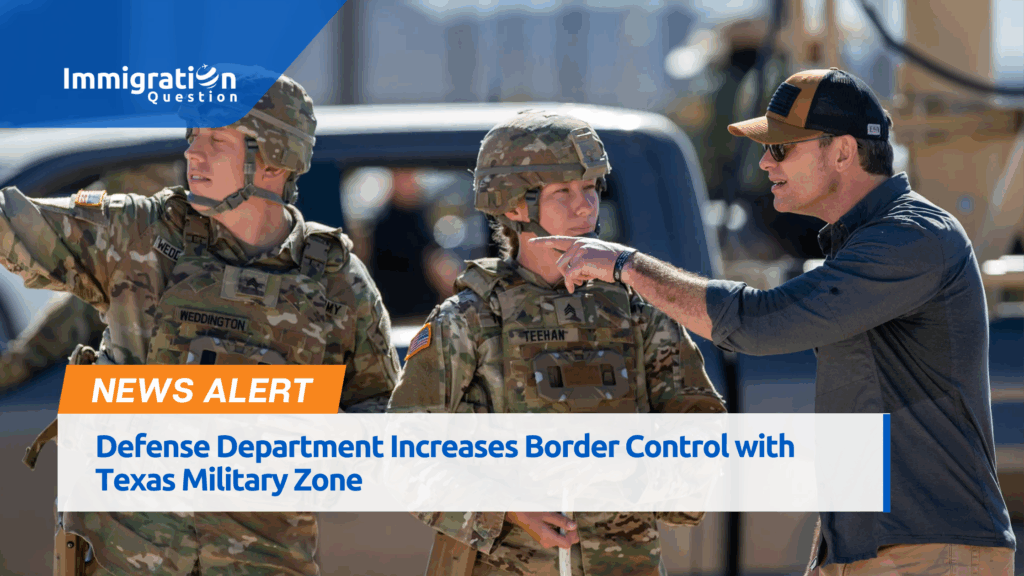
The Defense Department has established a second military zone on the U.S.-Mexico border, extending into Texas. Troops can now detain illegal crossers within this zone, treating them as trespassers on federal military property. The move strengthens border enforcement and sidesteps legal limits on military involvement in civilian law enforcement.
A New Military Zone in Texas
The U.S. Department of Defense has announced the designation of a second military zone along the southern border with Mexico, expanding its enforcement reach. This newly established National Defense Area is connected to Fort Bliss in El Paso, Texas. Following the creation of a similar zone in New Mexico last month, this latest move underscores the Trump administration’s intensifying focus on border security and immigration control.
Under this policy, military personnel stationed within the designated zones are now authorized to detain migrants who illegally cross the border. These individuals will then be handed over to the Department of Homeland Security for further processing. The presence of U.S. troops in these zones signifies an effort to tighten control over illegal entries and to deter unauthorized crossings by treating them as breaches of federal military property.
Military Oversight and Legal Consequences
According to military leadership, expanding the defense areas enhances the operational effectiveness of the military in preventing illegal activities along the border. While specific details about the size of the Texas zone remain undisclosed, its purpose aligns with the objectives of the New Mexico zone, which spans 170 miles and operates under the oversight of the U.S. Army Garrison Fort Huachuca in Arizona.
Migrants caught in these military zones now face two federal charges—illegal entry into the United States and trespassing on a federal military installation. This legal framework allows the government to bypass the long-standing Posse Comitatus Act of 1878, which restricts the use of the U.S. military in civilian law enforcement. By reclassifying these areas as military zones, the federal government can involve the military in immigration enforcement without breaching legal barriers.
Strategic Military Expansion on the Border
The Trump administration’s approach reflects a broader strategy of militarizing immigration enforcement. With border apprehensions reportedly at their lowest levels since the 1960s, officials argue that military involvement adds another layer of deterrence. According to defense officials, anyone attempting to cross into these zones is entering protected military property and will be intercepted by U.S. troops or border agents.
While the administration has not clarified how long these military zones will remain active, the move appears to continue its aggressive stance on border security. Thousands of troops have been deployed across the southern border, signaling that the federal government is committed to a long-term presence in these areas.
Looking Ahead
The expansion of military zones on the U.S.-Mexico border raises questions about the future role of the armed forces in immigration enforcement. Legal challenges and human rights concerns may follow as these defense areas grow in number and authority. The federal government continues to rely on military infrastructure to execute its immigration policies more forcefully. Observers will be watching closely to see how this approach evolves, especially as it intersects with civilian oversight and legal protections.
To stay updated and informed, watch our news section or drop your immigration questions on immigrationquestion.com and get responses from professional attorneys.