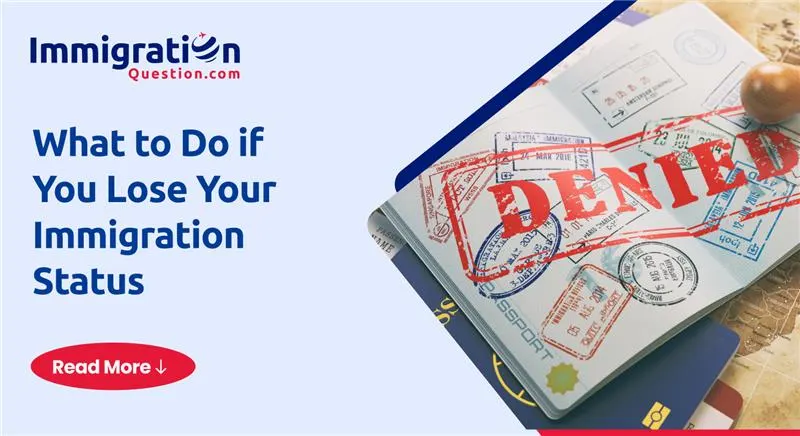
Your visa expired last month. You didn’t realize it. Now you’re getting calls from your employer asking why you can’t work. Your landlord wants to renew your lease but needs proof of status. The panic sets in.
Losing immigration status happens more often than people think. A missed deadline. A job change you didn’t report. A misunderstanding about visa rules. Suddenly, you’re out of status, and everything feels uncertain.
But what does this actually mean? And can you fix it?
This blog explains what losing your immigration status means, how it happens, the consequences you face, and what steps you can take to possibly restore it. Understanding your options now could save you months of stress and legal trouble later.
What Does It Mean to Lose Status
Losing your immigration status means you no longer have legal permission to stay in the United States. Your status lapses, gets revoked, or becomes abandoned.
Status lapse happens when your visa expires and you don’t renew it. Status revocation occurs when the government cancels your approval, usually because you violated conditions. Abandonment happens when you stay abroad too long or fail to maintain your status.
Once you lose status, there are real consequences. You accrue unlawful presence, which counts the days you stay in the U.S. illegally. Every day adds up. After 180 days of unlawful presence, leaving the country triggers a three-year bar on reentry. After one year, it becomes a ten-year bar.
Your work permit becomes invalid. You cannot legally work for any employer. Your Social Security number still works for taxes, but employers won’t hire you without valid status. Benefits like driver’s licenses often get suspended.
Traveling becomes impossible. You cannot leave the country without risking deportation. Border Patrol will question your status when you try to leave.
The consequences of losing legal status extend beyond work and travel. Landlords may evict you. Schools may question your children’s enrollment. Your mental health suffers from constant fear.
Common Ways You Can Lose Status
Understanding how you lost status helps you find the right solution.
The most common reason is an expired visa. You entered on an F-1 student visa. You graduated. You didn’t file for a work visa extension. Your status expired.
Violating visa conditions causes status loss, too. H-1B workers cannot work for a different employer without approval. Starting a new job without filing paperwork violates your visa terms. F-1 students must carry a full course load. Dropping below full-time status violates their conditions.
Sometimes an employer or sponsor withdraws a petition. Your company files for an H-1B visa. Midway through, they decide not to sponsor you. The petition gets revoked. Your status gets revoked with it.
Abandonment occurs when you stay outside the U.S. for too long. Green card holders who travel for over a year without a re-entry permit may abandon their residency. U.S. citizens who don’t intend to return can lose their citizenship through prolonged absence.
Criminal activity causes immediate status loss. Fraud on your application. Drug convictions. Violent crimes. The government revokes everything.
Understanding what to do if your immigration status is revoked depends on knowing exactly how you lost it. Each situation has different solutions.
Can You Regain Status & What Are Your Options
Losing status isn’t always permanent. Several paths exist to recover it, depending on your situation.
Reinstatement is available for certain nonimmigrant visa holders. F-1 students can apply for reinstatement within five months of losing status. J-1 exchange visitors have similar options. You need to show you didn’t intentionally violate the terms. A mistake or misunderstanding counts.
Restoration is another option. Some visa categories allow you to restore your status by filing appropriate forms and fees. You must act quickly. Delays reduce your chances.
If you left the country, you might reapply for a new visa abroad. This works only if you’re not barred from reentry. The three-year and ten-year bars block most applications. But if you haven’t accrued enough unlawful presence, a new visa application abroad might succeed.
For people facing removal or deportation, waivers exist. These require showing extreme hardship or family ties. Waivers are difficult to obtain but not impossible.
If your status was revoked through an appeal process, filing a motion to reopen or appeal might work. This requires strong legal arguments and attorney assistance.
The path to regain immigration status depends on your specific situation. No one solution works for everyone.
Practical Steps & Timing
Time matters enormously. Act now, not later.
Your first step is consulting an immigration attorney. You need someone who understands your exact situation. Don’t try to fix this alone.
Gather all your documents. Your passport. Visa stamps. Work permits. I-94 records. Emails from your employer. Academic transcripts if you’re a student. Financial records. Any evidence showing you didn’t intentionally break the law matters.
If you’re an F-1 student, apply for reinstatement within five months of losing status. Missing this window closes your opportunity permanently. Your school’s international student office helps with paperwork, but an attorney should review everything.
Create a written explanation of what happened. Be honest. Explain the circumstances. Show what you’ve done since losing status. Have you stayed out of trouble? Are you working illegally out of necessity or choice? Your explanation influences decisions.
If leaving and reapplying abroad, ensure your visa application is strong. You need a job offer. Financial support. Clear intent to comply with visa rules. Some consulates are stricter than others about prior status loss.
Use any grace periods or deadlines available. Don’t miss filing windows. Delays hurt your chances.
Finding Your Path Back
Losing your immigration status is serious. But it’s not always final.
Your situation depends on your status type, when you lost it, and why. Some people recover quickly. Others face longer battles.
With legal help, careful action, and the right remedy, you may restore or reapply for status. But you must move fast.
If you need personalized help or have further questions, visit ImmigrationQuestion.com. You can ask your questions for free and have experienced immigration attorneys answer your questions. You may even qualify for a free consultation depending on your case.
Frequently Asked Questions
What happens to my work permit if my status is revoked?
Your work permit becomes invalid immediately. You cannot legally work for any employer. Using an expired work permit is considered employment fraud and worsens your situation.
Is reinstatement available for all visa categories?
No. Reinstatement mainly applies to F-1 students and J-1 exchange visitors. Employment visas, tourist visas, and others rarely qualify. Check with an attorney about your specific category.
Can I travel abroad after losing my immigration status?
Leaving the U.S. without authorization means you’re unlawfully present. Departing triggers reentry bars. Unlawful presence over one year creates a ten-year bar. Don’t leave without legal advice.
What’s the difference between removal and status revocation?
Status revocation cancels your approval, but you remain in the country. Removal is a court order forcing you to leave. Removal includes deportation records and bars on reentry. Revocation is less severe.
Can a waiver help me reenter after losing status?
Yes, waivers exist for extreme hardship or family ties. They’re expensive and difficult. Criminal history or fraud makes waivers extremely difficult.