
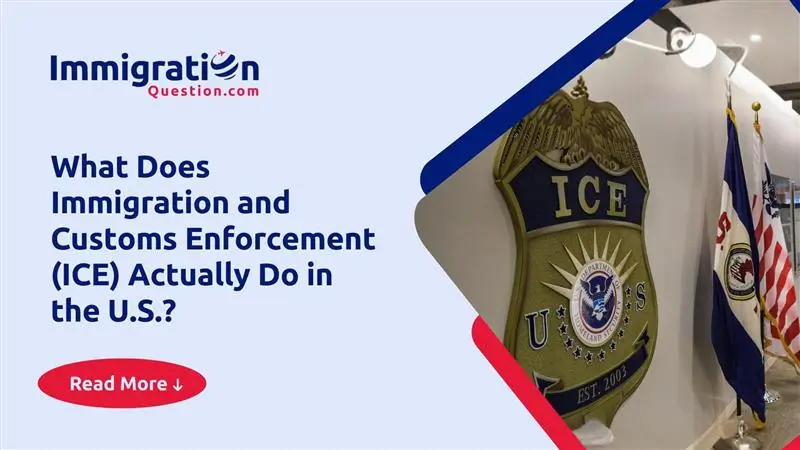
Immigration and Customs Enforcement plays a major role in how U.S. immigration laws are enforced, yet many people are unclear about what ICE actually does, what its authority is, and how it fits into the broader immigration system.
This blog explains the main responsibilities of immigration and customs enforcement, how ICE operates, and what its role means for immigrants, families, employers, and communities across the United States.
Understanding ICE’s responsibilities helps cut through confusion, fear, and misinformation, especially for people navigating the immigration process or trying to protect their legal status.
What Is Immigration and Customs Enforcement (ICE)?
Immigration and Customs Enforcement (ICE) is a federal law enforcement agency within the U.S. Department of Homeland Security (DHS). ICE is responsible for enforcing immigration laws inside the United States and investigating violations related to immigration, customs regulations, and cross-border crimes.
ICE does not handle visas, green cards, or citizenship approvals. Those functions belong to U.S. Citizenship and Immigration Services (USCIS). ICE’s role begins when enforcement, investigation, or removal becomes an issue.
The Two Main Divisions of ICE
ICE operates through two primary branches, each with distinct responsibilities:
-
Enforcement and Removal Operations (ERO)
Enforcement and Removal Operations focuses on identifying, arresting, detaining, and removing non-citizens who violate U.S. immigration laws. This includes individuals who:
- Are in the U.S. without lawful status
- Have overstayed their visas
- Have violated the terms of their immigration status
- Have final orders of removal
- Have certain criminal convictions that trigger immigration enforcement
ERO officers also manage immigration detention facilities and supervise individuals released on alternatives to detention, such as monitoring programs.
-
Homeland Security Investigations (HSI)
Homeland Security Investigations is ICE’s investigative arm. HSI handles complex cases involving:
- Human trafficking and human smuggling
- Immigration fraud and document fraud
- Worksite enforcement and illegal employment practices
- Financial crimes tied to immigration violations
- Violations of customs regulations, including import and export laws
HSI works closely with other federal, state, and international law enforcement agencies.
Core Responsibilities of Immigration and Customs Enforcement
ICE’s responsibilities extend beyond arrests and deportations. Its core functions include:
Enforcing Immigration Laws Within the U.S.
ICE enforces federal immigration laws after individuals are already inside the country. This distinguishes Immigration and Ccustoms Enforcement from border agencies like U.S. Customs and Border Protection (CBP), which operate at ports of entry and borders.
Investigating Immigration Fraud
ICE investigates marriage fraud, fake asylum claims, false employment sponsorships, and fraudulent immigration documents. These investigations often involve long-term case building rather than immediate enforcement actions.
Worksite Enforcement
ICE monitors employers to ensure compliance with immigration and labor laws. This includes audits of employment eligibility forms (Form I-9) and investigations into companies suspected of knowingly hiring unauthorized workers.
Detention and Removal Operations
ICE oversees immigration detention centers and coordinates the removal of individuals who have final deportation orders. Removal decisions themselves come from immigration courts; ICE is responsible for executing those orders.
Enforcing Customs Regulations and Trade Laws
Through HSI, ICE investigates violations of customs regulations, including illegal imports, export control violations, counterfeit goods, and smuggling operations that affect U.S. trade and national security.
How ICE Is Different from Other Immigration Agencies
Many people confuse ICE with other immigration authorities. Here’s a simple breakdown:
- USCIS: Processes immigration benefits (green cards, adjustment of status, naturalization)
- CBP: Manages borders, airports, and ports of entry
- ICE: Enforces immigration laws inside the U.S. and investigates immigration-related crimes
Understanding these differences is critical when navigating the immigration system or responding to enforcement actions.
Why ICE’s Role Matters for Immigrants and Families
ICE’s authority can directly affect individuals who are out of status, have pending immigration cases, or are involved in removal proceedings. Knowing ICE’s responsibilities helps immigrants understand:
- When ICE may become involved in their case
- What enforcement authority ICE does and does not have
- Why legal advice is essential if enforcement action occurs
Being informed allows people to respond appropriately and seek help early, rather than reacting out of fear or misinformation.
Get Clear Answers Before Enforcement Becomes an Issue
Immigration and customs enforcement is a powerful part of the U.S. immigration system, but understanding ICE’s responsibilities can reduce uncertainty and help people make informed decisions.
Whether you’re concerned about enforcement, compliance with customs regulations, or how ICE fits into your immigration situation, accurate information matters.
If you have questions about ICE, immigration enforcement, or your specific circumstances, you can ask them free on ImmigrationQuestion.com. Get real answers, helping you understand your options and next steps before problems escalate.
Frequently Asked Questions
1. What does Immigration and Customs Enforcement do?
Immigration and Customs Enforcement enforces U.S. immigration laws inside the country, investigates immigration-related crimes, and carries out removal orders issued by immigration courts.
2. Is ICE the same as Border Patrol?
No. Border Patrol is part of CBP and operates at borders and ports of entry. ICE operates within the U.S. interior and focuses on enforcement and investigations.
3. Can ICE arrest someone without a criminal record?
Yes. ICE can enforce immigration violations even if a person has no criminal convictions, depending on their immigration status and case history.
4. Does ICE decide who gets deported?
No. Immigration judges issue removal orders. ICE is responsible for carrying out those orders, not making court decisions.
5. What role does ICE play in customs regulations?
Through Homeland Security Investigations, ICE enforces customs regulations related to trade violations, smuggling, counterfeit goods, and export control laws.