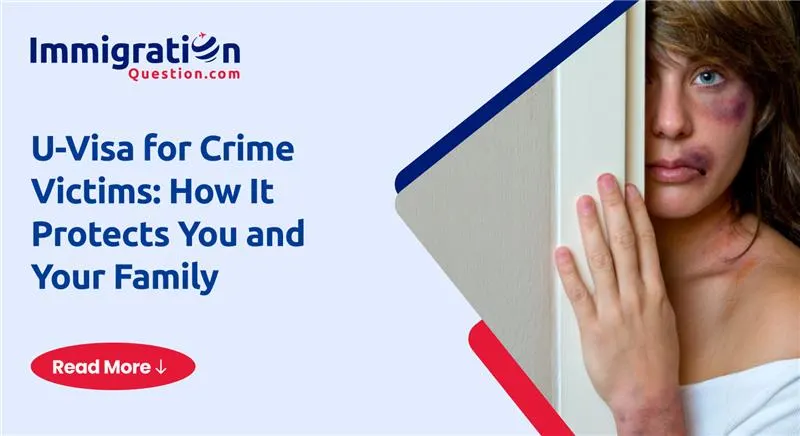
You were the victim of a serious crime. You cooperated with the police. Now you fear deportation if you stay in the U.S. to testify or continue helping the investigation.
The U visa crime victims immigration program exists for exactly this situation. It offers temporary immigration status, work authorization, and a pathway to apply for a green card after meeting requirements.
This post explains who qualifies, what evidence you need, how to apply step-by-step, what benefits and limits exist, and practical tips for protecting yourself and your family.
What Is the U-Visa and Who Qualifies?
The U-visa protects noncitizen victims of certain crimes who assist law enforcement. Congress created it to encourage crime victims to report crimes without fearing deportation.
Qualifying crimes include violent crimes like domestic violence, assault, and murder. Sexual assault, rape, and trafficking qualify. Other crimes include kidnapping, false imprisonment, witness tampering, extortion, and perjury. The list is specific but covers many serious offenses.
You must meet five core requirements:
- You were a victim of qualifying criminal activity.
- You suffered substantial physical or mental abuse because of the crime.
- You have information about the crime.
- You are, have been, or are likely to be helpful to law enforcement in investigating or prosecuting the crime.
- The crime occurred in the U.S. or violated U.S. law.
Substantial abuse means the harm was serious, not minor. Psychological trauma, physical injuries, or both count. USCIS reviews medical records, psychological evaluations, and your personal statement to assess this requirement.
Key Documents and Evidence You’ll Need
Documentation is the backbone of a U-visa petition. Without proper evidence, USCIS will deny your case.
Essential items include Form I-918, your main petition. Form I-918 Supplement B is the law enforcement certification signed by a qualified official. Your personal statement describing the crime and harm in detail matters enormously. Medical or psychological records proving your injuries or trauma provide critical support.
Police reports, court records, and prosecution documents show the crime occurred, and you cooperated. Proof of identity, like your passport or birth certificate, is required.
Keep copies of everything. Get records early before they’re lost or destroyed. Ask the certifying agency to complete Supplement B fully with specific details about your helpfulness.
Missing documents cause delays or denials. Organize everything before filing.
Step-by-Step: How to Apply for a U-Visa
Step 1: Obtain Law Enforcement Certification
Request Form I-918 Supplement B from the law enforcement agency that investigated your case. Police departments, prosecutors, judges, or other qualifying officials can sign. This takes weeks or months, depending on the agency’s workload and willingness.
Step 2: Prepare Your Personal Statement
Write a detailed statement explaining what happened, how it affected you, and how you helped law enforcement. Be specific about dates, injuries, and your cooperation.
Step 3: Collect Supporting Evidence
Gather medical records, psychological evaluations, police reports, court documents, and any other proof of the crime and your suffering.
Step 4: Complete Form I-918
Fill out the main petition accurately. If you’re requesting U visa crime victims immigration status for qualifying family members, complete Form I-918 Supplement A for each person.
Step 5: File with USCIS
Submit your complete packet to USCIS. Include required fees or request a fee waiver if you can’t afford the filing cost. USCIS charges $0 for Form I-918 but charges for work permits and derivative applications.
Step 6: Respond to Requests for Evidence
If USCIS needs more information, they’ll send a Request for Evidence. Respond within the deadline, typically 87 days. Missing this deadline means denial.
Step 7: Attend Biometrics and Interviews
USCIS will schedule biometrics for fingerprints and photos. Some cases require interviews.
Step 8: Wait for Decision
Processing takes approximately 32.7 months for bona fide determination in 2025. Full approval takes 5-7 years due to the annual cap of 10,000 principal U-visas per year. You may receive a bona fide letter allowing work authorization while pending.
Benefits, Limits, and What to Expect
Benefits include temporary stay in U-nonimmigrant status for up to four years. You receive work authorization through an Employment Authorization Document. You become eligible for certain public benefits in some states. After three years in U status, you can apply for lawful permanent residence.
Limits exist. Initial U-status is temporary, not permanent. The annual numerical cap of 10,000 causes long waits for approval. Even approved applicants wait years for a visa number to become available. Not every petition gets certified by law enforcement. Some crimes or circumstances complicate eligibility.
You may receive a bona fide determination letter allowing immediate relief and services while your case is pending. Family members may qualify as derivatives. Patience is necessary because of massive backlogs.
As of early 2025, USCIS is processing Form I-918 applications submitted approximately 51 months ago. The full journey from submission to visa issuance stretches 6-10 years or more.
Protecting Yourself and Your Family
The U visa crime victims immigration program was designed to protect victims who help law enforcement. It offers work permission and a path forward even during long processing times.
Gather your evidence carefully. Seek law enforcement certification early. Get legal help when needed. Don’t try to file alone if your case is complicated.
If you need personalized help or have further questions, visit ImmigrationQuestion.com. You can ask your questions free and have experienced immigration attorneys answer your questions.
Frequently Asked Questions
Who can sign the law enforcement certification (Supplement B) for a U-visa?
Police departments, sheriff’s offices, prosecutors, judges, immigration officials, child protective services, and other qualifying government agencies can sign. The official must have knowledge of your case and helpfulness.
Can my immediate family get U-visa status with me?
Yes. You can include your spouse and unmarried children under 21 as derivatives on your petition. If you’re under 21, you can include parents and unmarried siblings under 18.
How long does a U-visa petition usually take to receive a decision?
Approximately 5-7 years for full approval in 2025. USCIS issues bona fide determinations in about 32.7 months, which allows work authorization. Final visa numbers take much longer due to the annual cap.
What if the crime happened outside the United States?
The crime must have occurred in the U.S. or violated U.S. law. Crimes happening entirely outside the U.S. that don’t violate American law don’t qualify for U-visa protection.
Can prior immigration violations hurt my U-visa chances?
Not necessarily. U-visas offer waivers for many immigration violations. Criminal history is reviewed more carefully, but cooperation with law enforcement and victim status weigh heavily in your favor.
If my U-visa petition is denied, can I appeal or refile?
You can file a motion to reconsider or reopen if you have new evidence or believe USCIS made an error. You can also refile a completely new petition if circumstances changed or you obtain better evidence.