“It’s a prison.”
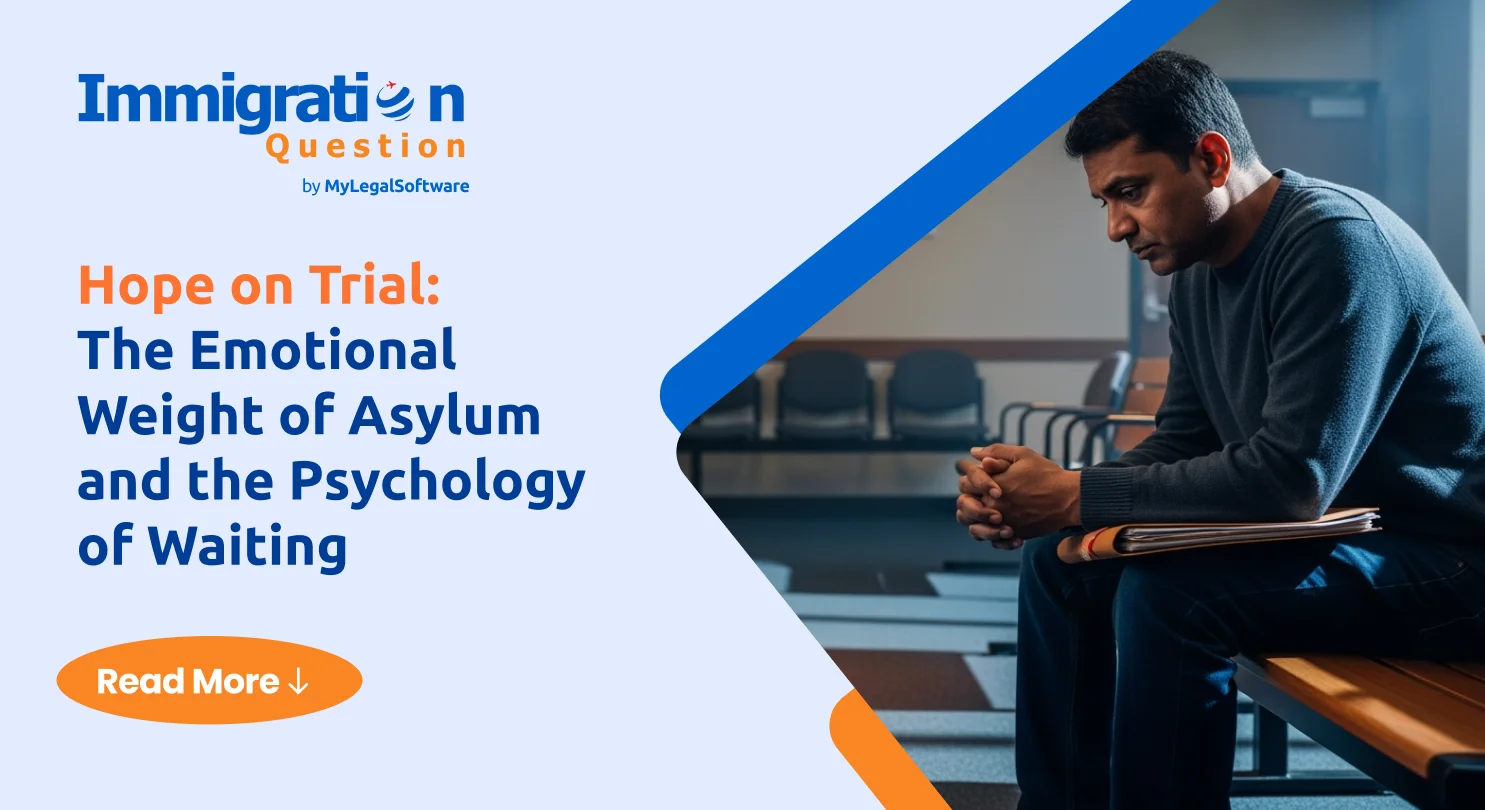
That’s how Svetlana Romanova, an asylum seeker currently held in a Houston-area detention center, described the system she entered hoping for refuge. She has spent over eight months in limbo, waiting for a decision—any decision—on her asylum case. Her health has declined, her hope is thinning, and like thousands of others, she’s caught between U.S. policy debates and the raw psychological weight of prolonged uncertainty.
This isn’t a rare case anymore. According to the Houston Chronicle, asylum seekers in U.S. detention centers are now facing longer stays than ever before, often without access to proper medical care, legal guidance, or even clear communication from immigration authorities.
So, as courts debate policies and presidents sign executive orders, we must ask:
What is the cost of making hope wait?
Now, in a major turn of events, U.S. District Judge Randolph Moss has blocked the Biden administration’s latest asylum restrictions, ruling that the May executive order limiting asylum claims at the southern border is unlawful. The ruling, announced on July 2, gives the administration two weeks to appeal, but for thousands of migrants like Svetlana, the ruling means far more than legal jargon or procedural deadlines.
It means hope is still alive. But what happens to that hope during the endless waiting?
The Legal Shift: A Quick Recap
The blocked executive order was part of a broader effort to manage the increasing number of arrivals at the U.S. border. It restricted asylum access to migrants who crossed between ports of entry or failed to first seek asylum in a third country. Immigration advocates argued it was essentially a ban by bureaucracy, mirroring Trump-era policies that courts previously struck down.
Judge Moss agreed. He ruled that the executive branch cannot override or reshape asylum law passed by Congress, drawing a constitutional line in the sand.
This decision is a significant win for immigration advocates. But for those seeking refuge—often traumatized, displaced, and deeply vulnerable, the emotional and psychological toll of waiting for protection remains brutal and under-discussed.
The Real Cost of Waiting: Mental Health in the Shadows
Let’s talk about the psychology of waiting—specifically, the kind of waiting that asylum seekers endure.
When you flee home with your child on your back and everything familiar left behind, you cling to the one thing that still breathes in you: hope. Hope that a new country will welcome you. Hope that your story will matter. Hope that you won’t be invisible.
But asylum is not quick justice.
It’s slow.
It’s complex.
It’s uncertain.
According to a 2024 report by Physicians for Human Rights, over 70% of asylum seekers in U.S. detention or at border facilities report symptoms of anxiety, depression, and post-traumatic stress disorder (PTSD). This is not just because of what they fled—but also because of what they now face:
prolonged uncertainty, legal limbo, fear of deportation, and complete dependence on systems they can’t control.
In psychological terms, it’s called “ambiguous loss”—a state where people are trapped in a suspended reality. You’re not safe. You’re not removed. You’re just… waiting.
Hope Becomes Heavy
Hope is often described as light. But in legal limbo, hope can become a burden. Why?
Because every court delay, every policy reversal, every “we’re still reviewing your case” feels like being handed a balloon, only to watch it float just out of reach. You start to question whether the system was ever designed to catch you, or simply to exhaust you.
And exhaustion isn’t just emotional—it’s legal. Studies show that asylum seekers without legal counsel are five times more likely to be denied. But legal services remain underfunded, and applicants are often left navigating by themselves, in languages they barely speak, within systems they don’t understand.
Why This Court Ruling Matters
Judge Moss’s ruling may seem like a procedural win, but its psychological ripple effects are enormous.
For once, the message isn’t “just wait.” It’s:
“The law still protects you.”
“You still have a voice.”
“This country is still a place where due process matters.”
That’s no small comfort. But the emotional weight remains.
And unless we fix the asylum system to be not only legally sound but emotionally humane, hope will keep fraying under pressure.
So, What Can Be Done?
What can we do, right now, to reduce the emotional and legal toll of seeking asylum in America?
It starts with more than policy reform. It starts with urgency, empathy, and a system that sees people, not just paperwork.
Here are three urgent steps we can push for:
- Accelerate case timelines without compromising fairness.
Prolonged processing erodes mental health and violates basic human dignity. - Expand legal access and translation services at every point of entry and detention.
Hope grows when you understand your path. - Integrate trauma-informed practices into immigration proceedings.
Judges, attorneys, and case officers need training on how trauma impacts memory, behavior, and testimony.
Final Thoughts: Hope Deserves a Timeline
Hope shouldn’t be a punishment.
It shouldn’t be a prison.
And it certainly shouldn’t be a guessing game determined by shifting politics.
If we still believe in the values inscribed on the Statue of Liberty—“Give me your tired, your poor, your huddled masses yearning to breathe free”—then we owe asylum seekers more than endless limbo.
We owe them a fair chance.
We owe them clarity.
And above all, we owe them timely hope.
Whether you’re stuck in legal limbo, facing a sudden policy change, or just need answers you can trust—at Immigration Question our network of licensed immigration attorneys is here for you. We’ll help you make sense of complex policies, prepare for emergencies, and advocate for your future.
No matter where you are in the world, you deserve clarity, safety, and support.
Don’t wait for a crisis. Visit ImmigrationQuestion.com today to ask your questions and get real answers—often within hours.
Hope should be accessible. Let us help you reclaim it.