
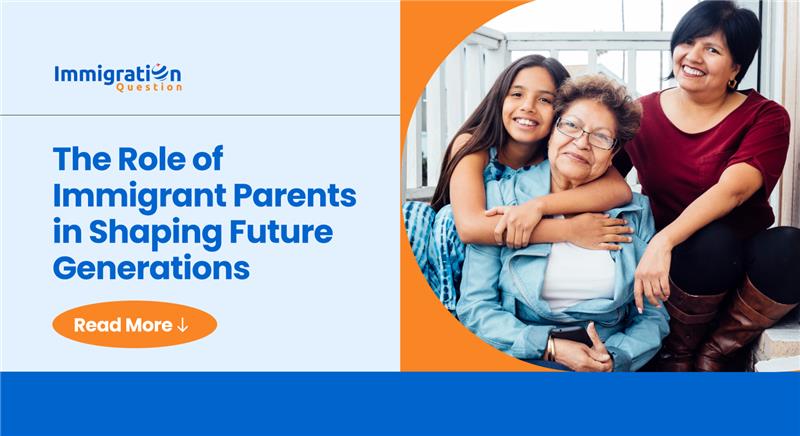
Immigrant parents influence education by shaping routines, expectations, and long-term planning that guide how children engage with school. Even with language barriers or unfamiliar systems, many families support learning through home structure, goal-setting, and cultural continuity. Over time, these patterns can influence educational pathways across generations.
Why Immigrant Parents Play a Key Role in Education
Immigrant families are a growing presence in the United States, and schools increasingly serve students from many languages and cultural backgrounds. Education often becomes a central family goal because it connects to skills, stability, and future options.
Parental involvement matters because it affects attendance habits, study routines, and how children interpret academic expectations. These patterns can carry forward as children become adults and support education in the next generation.
Education as a Pathway for Immigrant Families
Education is often treated as a pathway to economic, social, and cultural mobility. In many households, school success is approached as collective family work, supported through routines, resource choices, and future planning.
First-generation parents and U.S.-born children may experience school differently. Parents may rely on comparisons to prior systems, while children learn local norms quickly through peers and classrooms.
Parenting Challenges Immigrant Families Face in a New Country
Immigrant families often face structural barriers that affect educational involvement.
- Language barriers: Limited interpretation can restrict access to notices, meetings, and teacher communication.
- Unfamiliar school systems: Programs and services may be hard to navigate without local guidance.
- Economic pressure: Work schedules and childcare needs can reduce school-based participation.
- Acculturation and role shifts: Children may translate or navigate systems, changing family roles.
Parenting Styles in Immigrant Families and Educational Outcomes
Research identifies several parenting styles that influence children’s educational experiences.
Authoritative Parenting
Authoritative parenting combines warmth with clear expectations and consistent support. It is often linked to academic confidence and autonomy because children receive structure while practicing independence.
Authoritarian Parenting
Authoritarian parenting emphasizes rules and high expectations. It can provide predictable routines, while also creating pressure for some children depending on communication style and the child’s needs.
Cultural Variations in Parenting
Parenting practices vary by culture and context, and many families adapt over time. What schools interpret as strictness or deference may reflect cultural norms about respect and the role of institutions.
Parental Aspirations and Academic Expectations
Immigrant parents often hold high educational aspirations for their children, even when resources are limited. Education may be tied to family honor and household stability in practical ways.
Aspirations often persist despite time constraints, language barriers, or financial pressure, with many families emphasizing effort and planning rather than guaranteed outcomes.
School Involvement and Family Engagement
Aspiration and participation are not the same. Many immigrant parents support education through home-based involvement such as routines, attendance emphasis, homework monitoring, and future planning.
When school-based participation is limited, families may miss certain information channels used for course planning or services, but reduced visibility does not automatically mean low commitment.
Barriers to School Involvement for Immigrant Parents
Barriers are often systemic and environmental.
- Language access: Uneven translation and interpretation can limit understanding.
- Institutional unfamiliarity: Parents may not know what questions to ask or how to request services.
- Feelings of exclusion or intimidation: School culture or past experiences can affect comfort levels.
- Time and financial constraints: Work hours, transportation costs, and childcare can restrict attendance.
Preserving Cultural Heritage While Supporting Education
Many families support schooling while preserving cultural heritage. Bilingualism and native language maintenance can strengthen family communication and support learning across contexts.
Bicultural competence can help students navigate both home and school settings without treating assimilation as the goal.
Immigrant Parents and Education Across Generations
Educational values often show continuity while strategies change. First-generation parents may emphasize stability and long-term planning, while second-generation children may gain familiarity with school expectations and resources.
Outcomes vary by school quality, language support, community context, and economic stability, so predictions should remain cautious.
The Long-Term Impact of Immigrant Parents on Society
Immigrant parents influence society through the educational pathways their children build. Educational attainment and workforce readiness can grow over time as students develop skills, credentials, and cross-cultural communication.
Immigrant families also contribute cultural and intellectual diversity that can enrich learning environments and broaden perspectives in schools and communities.
Key Takeaways on Immigrant Parents and Education
- Immigrant parents value education highly
- Challenges do not reduce aspirations
- Family engagement takes many forms
- Bicultural support benefits future generations
For more immigration guidance and resources, visit ImmigrationQuestion.com.
Frequently Asked Questions
- How does immigration status affect a child’s access to education in the U.S.?
In general, public K–12 schools educate children regardless of immigration status. Access to some programs outside basic schooling may vary by location and eligibility rules. - Can immigrant parents enroll their children in U.S. public schools?
Yes, immigrant parents can enroll their children in public schools. Schools typically request documents that show residency and age, and families can ask about acceptable alternatives if documents are difficult to obtain. - What rights do immigrant parents have in their children’s education?
Immigrant parents generally have the right to receive information about their child’s education and to participate in school meetings and decisions. Many schools provide interpretation or translated materials when available. - Are schools allowed to ask about a parent’s or child’s immigration status?
Public schools generally do not need immigration status information to enroll a child in K–12 education. If a request is unclear, families can ask why it is needed and what alternatives are accepted. - What education resources are available for immigrant parents and families?
Many schools offer family engagement staff, language support, and referrals to community programs. Public libraries and community centers often provide tutoring, English classes, and homework help. - How can immigrant parents support their children’s education if English is not their first language?
Parents can support education by creating routines, checking assignments, and discussing goals, even if they are not fluent in English. Using interpretation support and encouraging reading in the home language can also help.